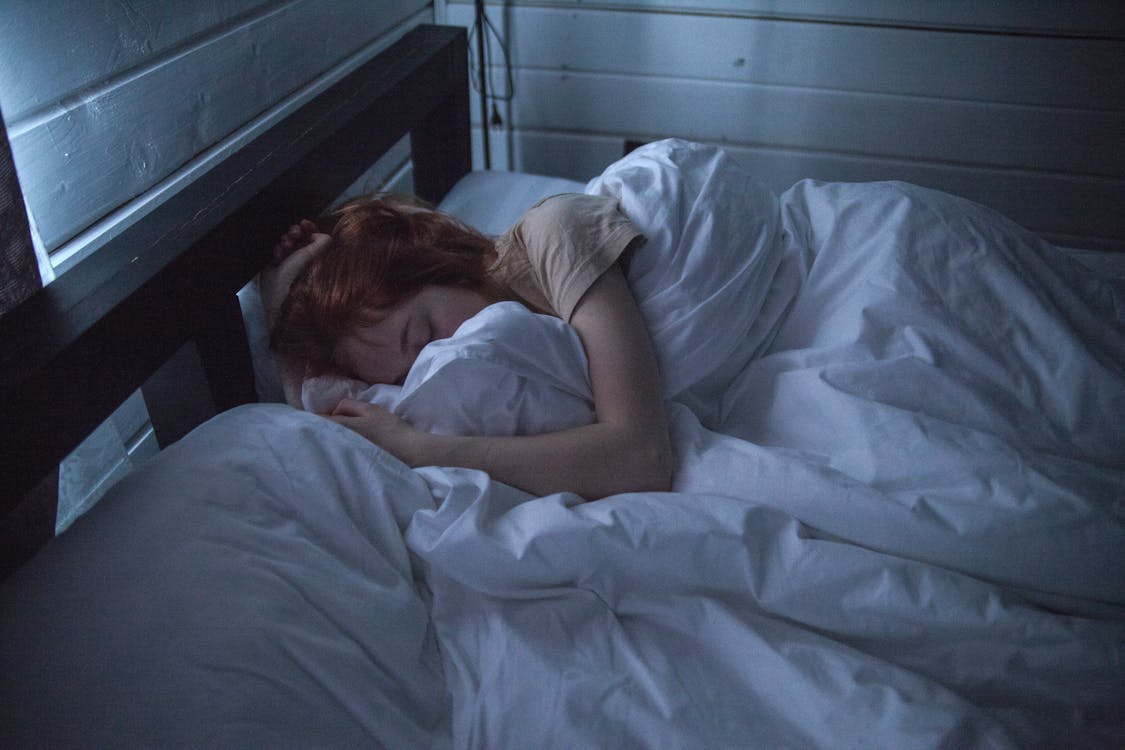
Why Sleep Matters More Than You Think
All of us know how it feels to awaken groggy after an uneasy night, but for some, this sensation is a continuous struggle. Rest is more than just a break from the day; it's essential for psychological clearness, physical health, and emotional health. When sleep quality endures night after evening, it can begin to influence every corner of your life. Among the most generally ignored culprits is rest apnea-- a condition that silently disrupts your remainder and chips away at your health and wellness without you even recognizing it.
What Is Sleep Apnea and How Does It Work?
Rest apnea is a condition in which your breathing repeatedly quits and begins while you're asleep. These stops briefly can last simply a few secs or stretch to a min or more, happening loads or even thousands of times a night. Your brain detects the absence of oxygen and briefly wakes you up so that typical breathing can return to. Typically, these awakenings are so brief that you don't remember them. However the outcome is an evening of fragmented, poor-quality sleep that leaves you feeling drained the following day.
There are various forms of sleep apnea, with the most usual being obstructive sleep apnea. This happens when the muscles in the back of your throat fail to keep your air passage open. Central rest apnea, though much less usual, involves the brain stopping working to send out the proper signals to the muscles that control breathing.
Refined Signs That Point to a Bigger Problem
Among the trickiest features of rest apnea is how very easy it is to miss. Many people think about loud snoring as the main symptom, and while snoring is common, it's far from the only warning sign. In fact, some people with sleep apnea do not snore in all. That's why it's so vital to pay attention to the more subtle indicators that your body could be providing you.
Getting up with a completely dry mouth or sore throat, morning frustrations, and sensation excessively sleepy throughout the day are all signals that something could be off. If you find yourself dozing during job conferences, at the wheel, and even while watching TV, it could be an indicator that your sleep is being disrupted more frequently than you believe.
You might additionally discover state of mind modifications, difficulty focusing, or a short temper. These signs are typically written off as the outcome of tension or a busy routine, but persistent sleep deprival triggered by rest apnea can take a real toll on your psychological health.
How It Affects Your Body Beyond Sleep
The consequences of unattended sleep apnea go far past daytime drowsiness. Gradually, this problem can result in significant health problems. Disrupted breathing stresses the cardiovascular system and has actually been linked to hypertension, heart disease, stroke, and even kind 2 diabetes mellitus. It can likewise deteriorate the body immune system, making you much more prone to illness and slower to recuperate.
Individuals coping with rest apnea likewise deal with a greater threat of developing other sleep disorders. Some experience problems that might get more info drop under sleep wake disorder treatment, particularly when their circadian rhythm ends up being disrupted from fragmented rest. Others establish symptoms that might take advantage of parasomnia treatment, particularly if their disrupted rest causes uncommon habits like sleepwalking or night terrors. And for those that fight with extreme daytime drowsiness regardless of obtaining what appears like enough remainder, hypersomnia treatment might be part of the picture.
When to Take Action and What to Expect
So, when should you take that gut feeling seriously and talk with an expert? If any of the signs and symptoms explained above audio familiar, it's worth having a discussion with an expert. A sleep research-- either at a clinic or in the convenience of your home-- can assist determine if rest apnea is the reason for your exhaustion.
Therapy options differ based upon the intensity of the condition. Some people gain from way of living changes, such as losing weight or changing rest settings. Others might require more organized interventions, such as oral devices or continuous positive respiratory tract stress (CPAP) therapy to keep the respiratory tract open during sleep. It's not a one-size-fits-all scenario, and locating the best option can significantly improve quality of life.
The Emotional Side of Sleep Apnea
There's additionally a psychological weight that frequently includes rest problems. Really feeling constantly tired and out of sync with your day can cause frustration, embarrassment, and even anxiety. It's typical to feel isolated or misinterpreted, particularly when others don't comprehend the undetectable toll that bad rest can take.
Support plays a vital function in the journey to much better rest. Talking openly concerning your rest worries can assist normalize the conversation and encourage others to look for assistance also. If a partner has actually seen your snoring or constant tossing and turning, that insight could be an important idea. Occasionally, it's the monitorings of others that shine a light on a problem you could not have actually recognized by yourself.
Recovering Control Over Your Nights
The idea of having a rest condition might really feel daunting at first, yet acknowledging the signs is the very first and most powerful action. Living with untreated rest apnea does not have to be your standard. With understanding, the right therapy, and a little patience, peaceful sleep is absolutely feasible.
Healthy rest is foundational to feeling like your ideal self. If you're experiencing unusual exhaustion, headaches, state of mind adjustments, or any other indications that something isn't fairly right, depend on that your body is sending you a message. Obtaining curious regarding your rest health could be the turning factor that transforms how you move with your days.
Keep tuned to the blog for more insights, pointers, and guidance regarding exactly how to boost your sleep and take better care of your wellness.